


Cataract|Treatment
If you’ve been diagnosed with cataracts, you may wonder if cataract surgery is right around the corner. Not to worry. There are many preventive steps you can take to slow the progression of cataracts and preserve your vision.
Comprehensive|Eye Exam
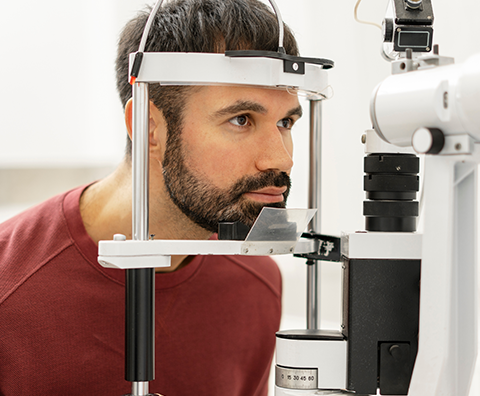
The comprehensive eye exam looks at your eye externally and internally for any signs of eye disease, then tests your vision in a variety of ways.
Contact Lens|Exam
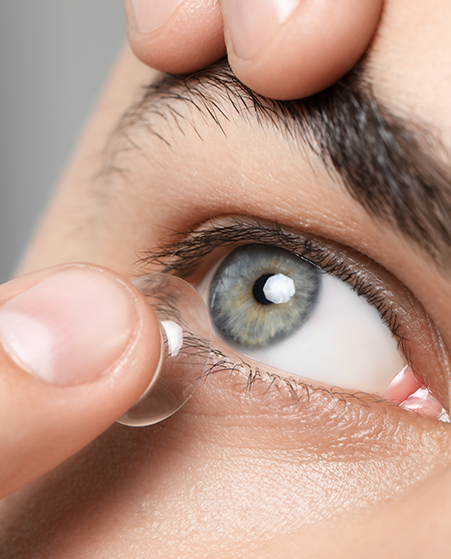
If you’ve never worn contact lenses before, it can seem a bit intimidating. After all, you’re inserting something into your eye! Let’s ease your mind about the first step – your contact lens exam. This post will walk you through what’s involved in a contact lens.
Diabetic Related|Eye Exams
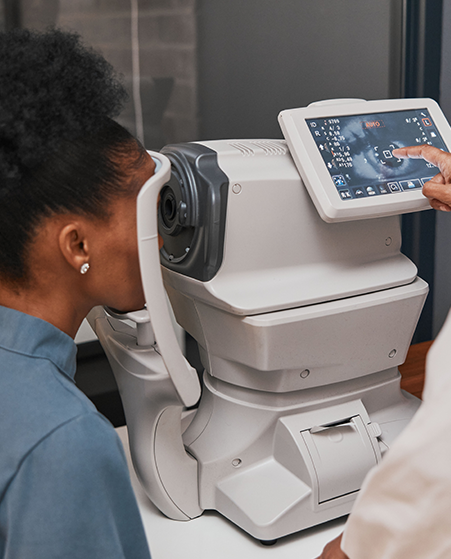
Regular diabetic-related eye exams will enable your eye doctor to monitor your condition and ensure that any signs of diabetic retinopathy are detected and acted upon immediately.

Eye Disease|Treatment
For common types of ocular diseases, it’s important to have your vision checked. If an ocular disease is diagnosed, your optometrist will be able to determine the best treatment plan for optimal eye health and vision.
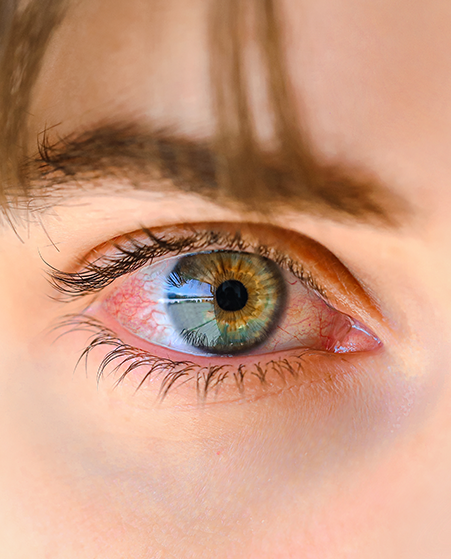
Eye|Emergencies
Eye emergencies cover a range of incidents and conditions such as trauma, cuts, scratches, foreign objects in the eye, burns, chemical exposure, photic retinopathy, and blunt injuries to the eye or eyelid.
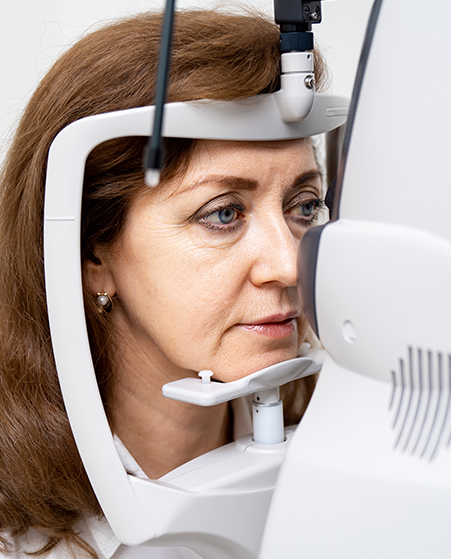
Glaucoma|Treatment
If you’ve been diagnosed with glaucoma, you’re probably already familiar with the typical options in glaucoma treatment – eye drops, laser treatment, or traditional surgery. While these are certainly effective, especially when glaucoma is diagnosed early, researchers have been working hard to offer new glaucoma treatments.
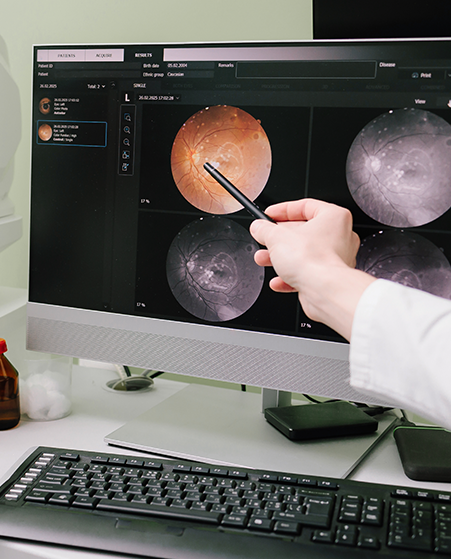
Macular|Degeneration
Macular degeneration, commonly referred to as age-related macular degeneration (AMD), is the single largest cause of sight loss in the developed world and affects more than 10 million Americans. It usually affects people over the age of 60, but it has been known to affect those who are younger.









© All rights Reserved
Accessibility Statement - Privacy Policy - Sitemap
Managed and Designed by